How the XPan format changes the way you compose
Seeing differently
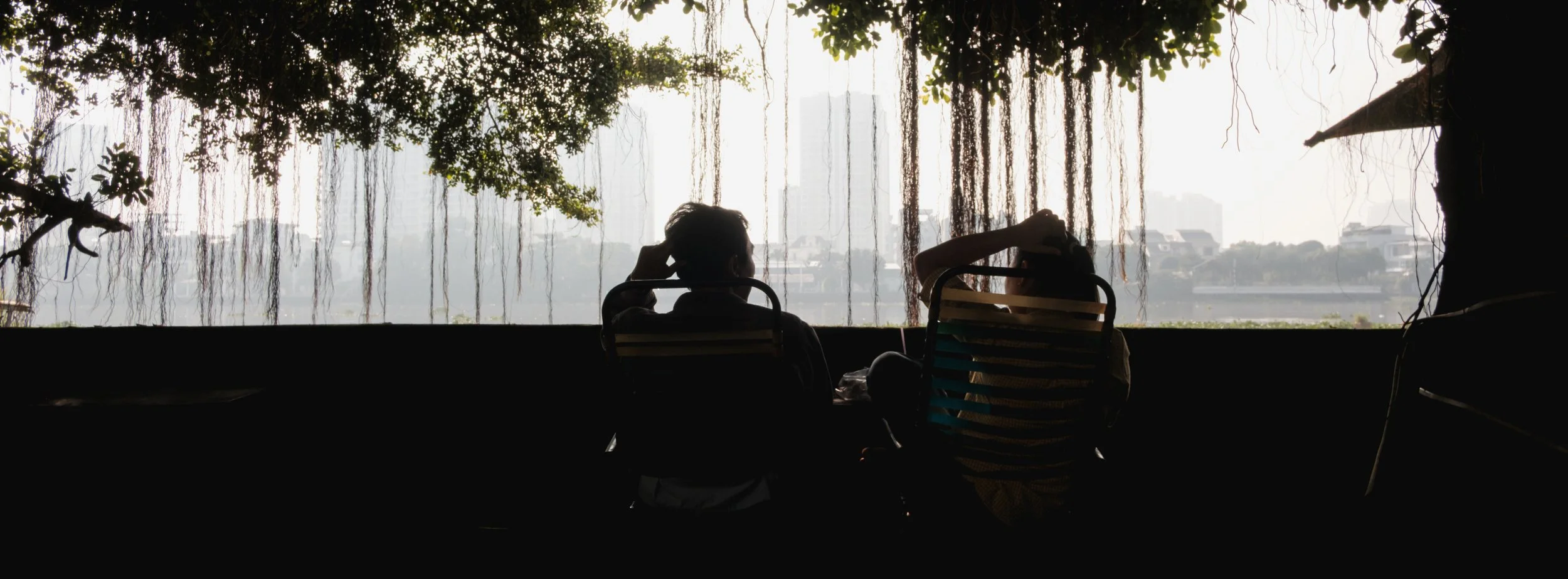
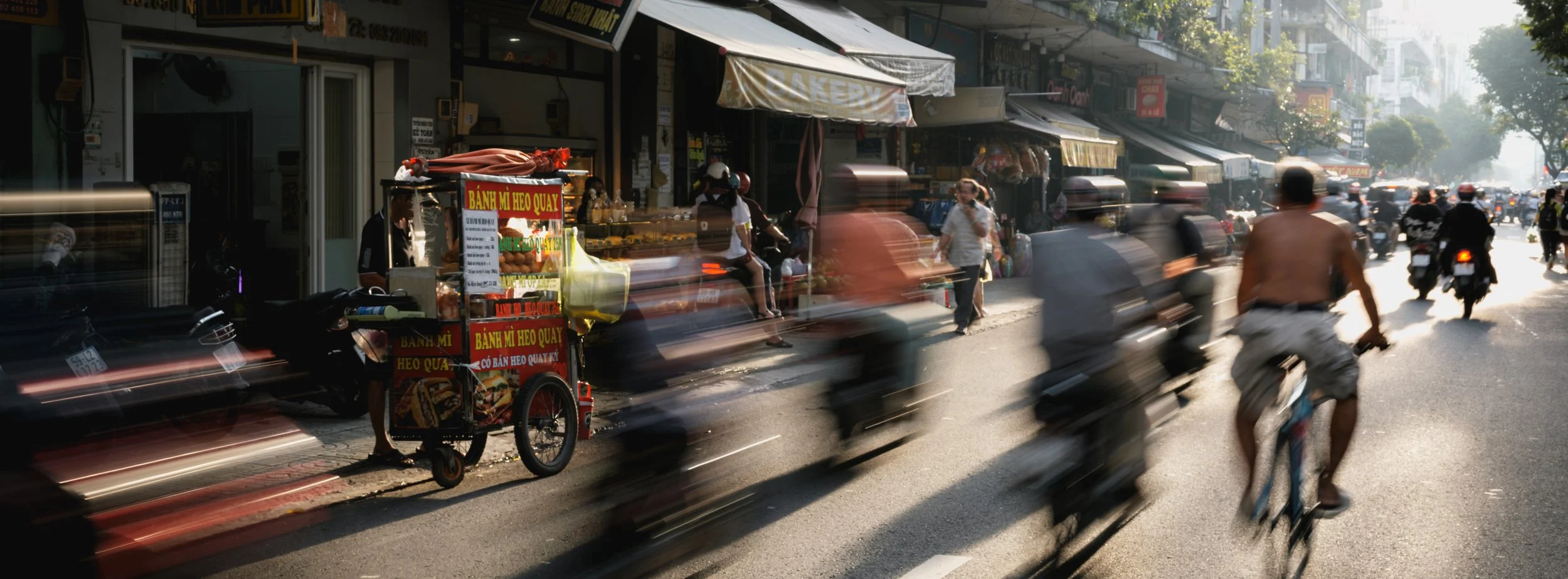
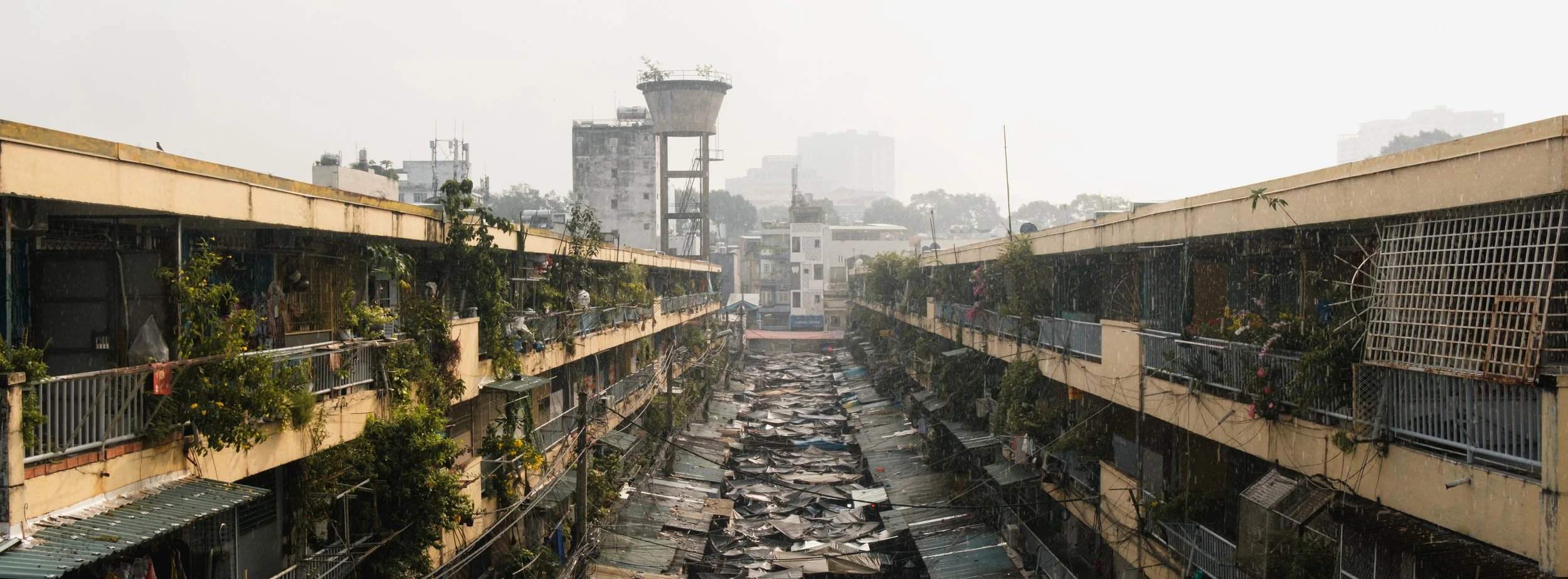
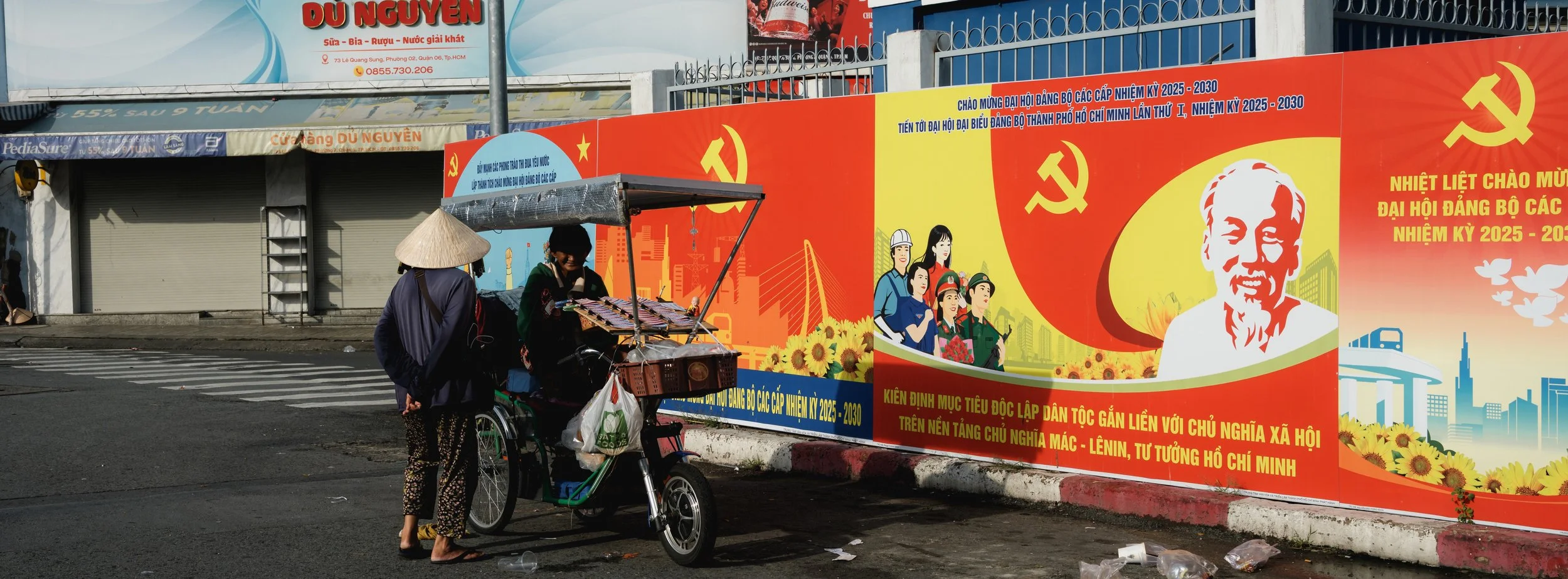
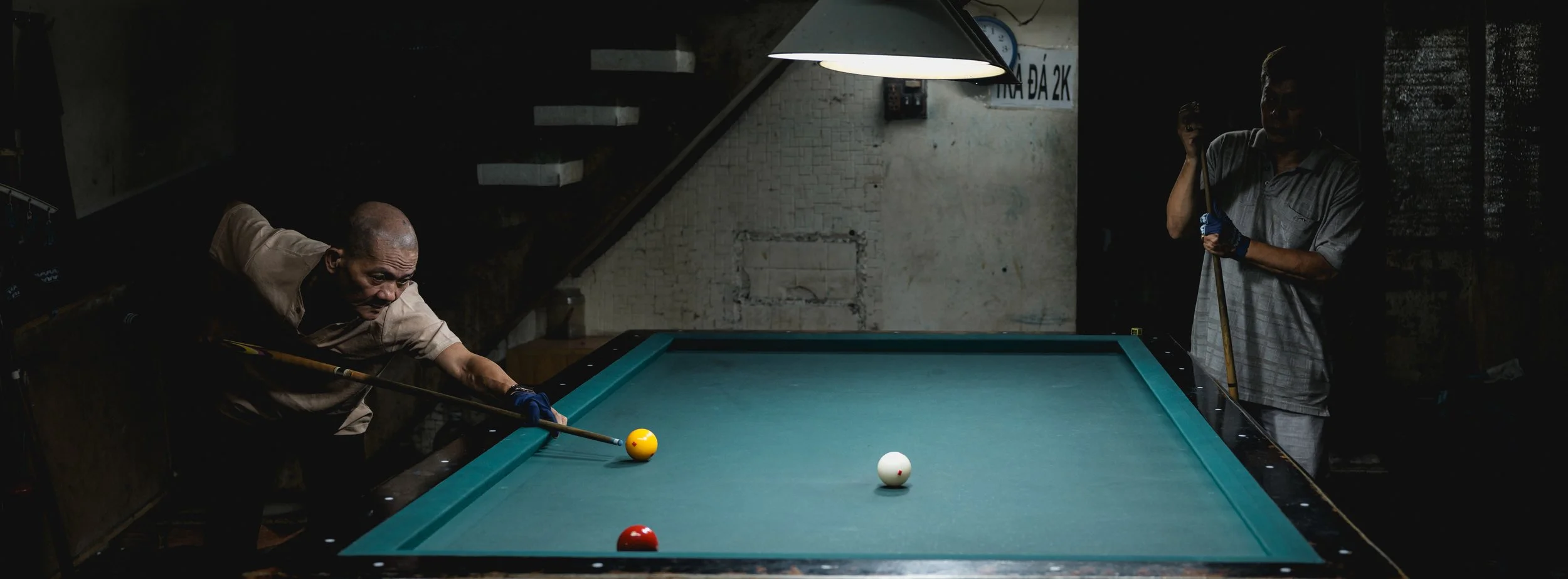
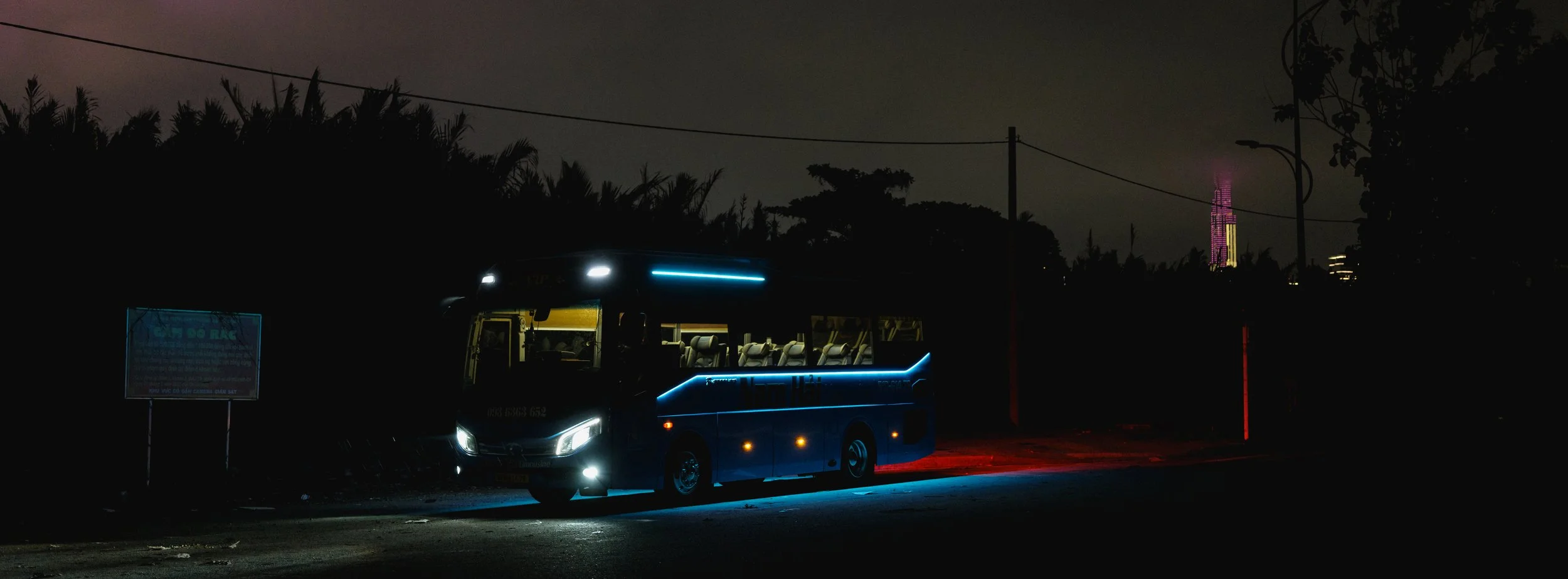
Photography is often described as a way of seeing, but sometimes a different camera format can genuinely change how you see. When I picked up a Fujifilm GFX last year, the ability to shoot the panoramic frame popularized by the Hasselblad XPan was a nice bonus. What makes this format interesting is not only its cinematic look, but also how it changes the way you see and compose a scene. With a traditional 3:2 frame, composition often revolves around balancing elements both vertically and horizontally. The XPan's panoramic aspect ratio shifts that focus almost entirely to the horizontal plane. Instead of looking for what belongs above or below your subject, you start looking for relationships across the frame.
Layers Without Clutter
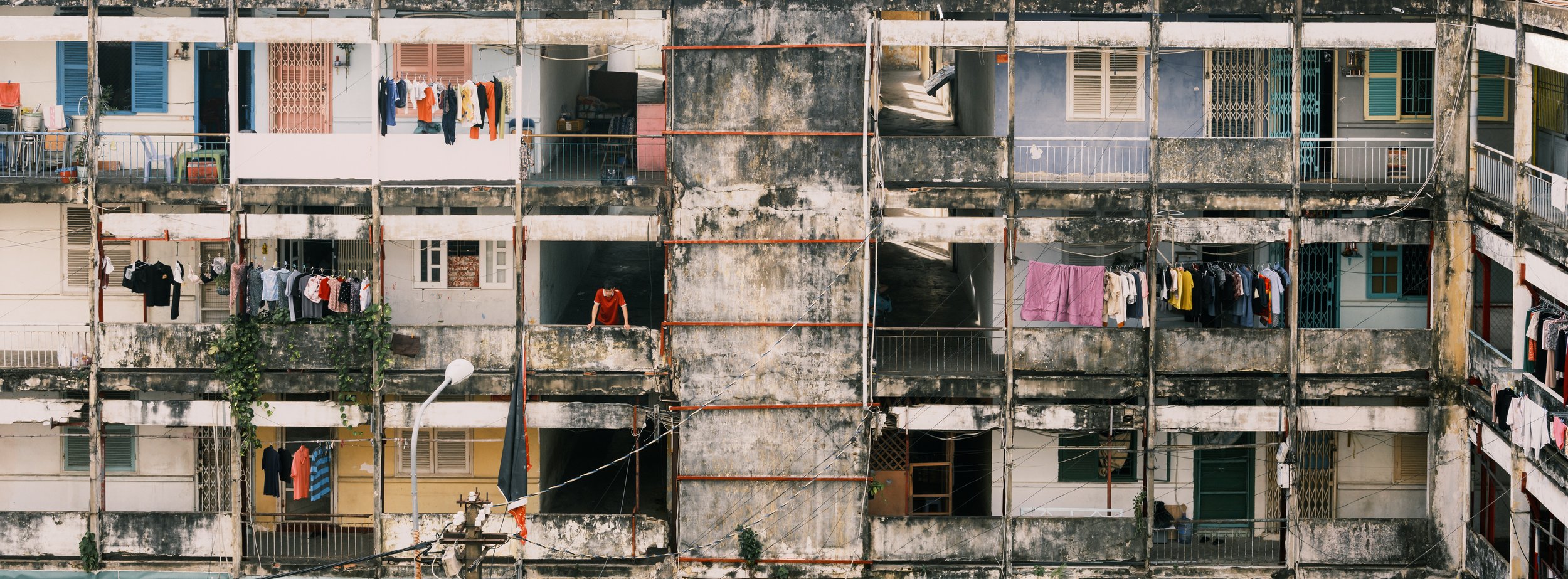
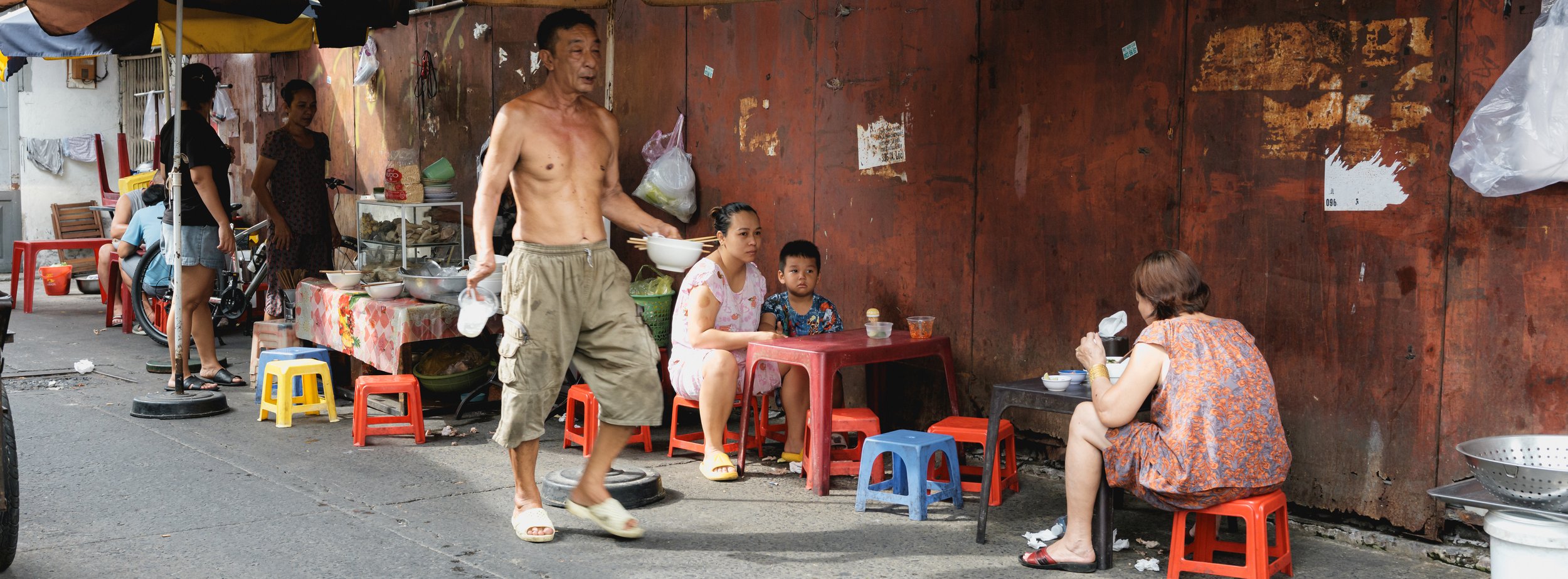
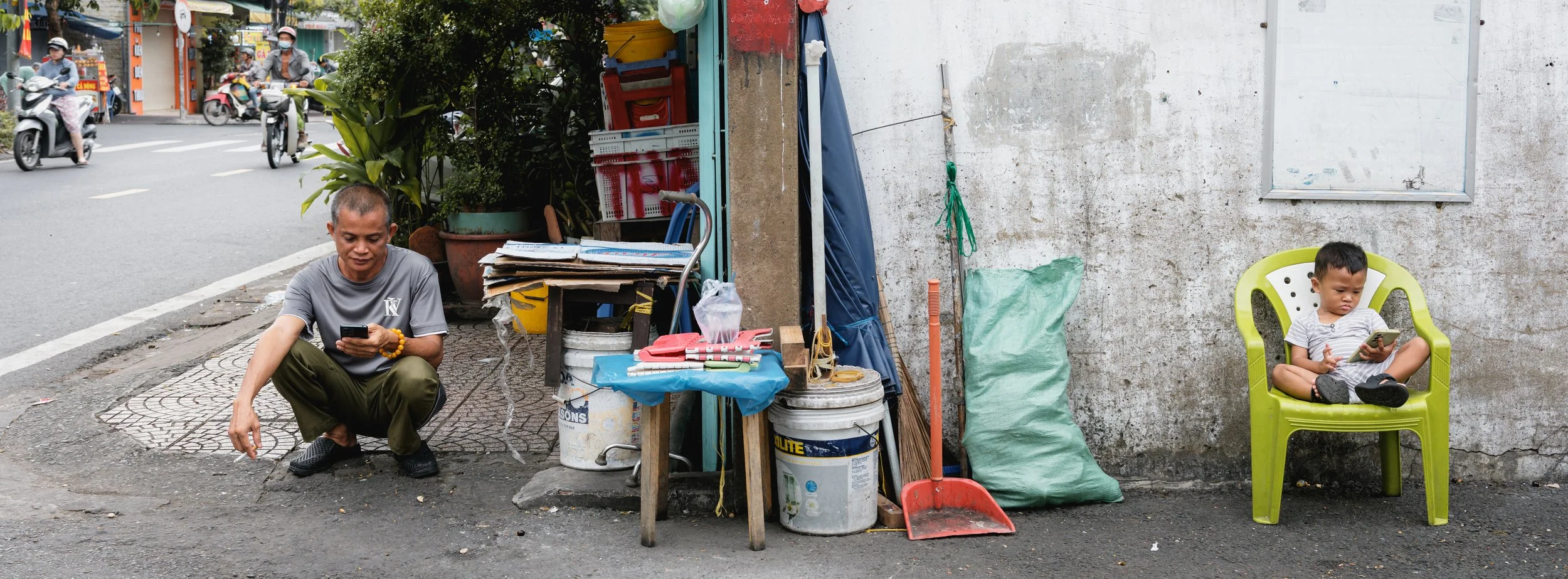
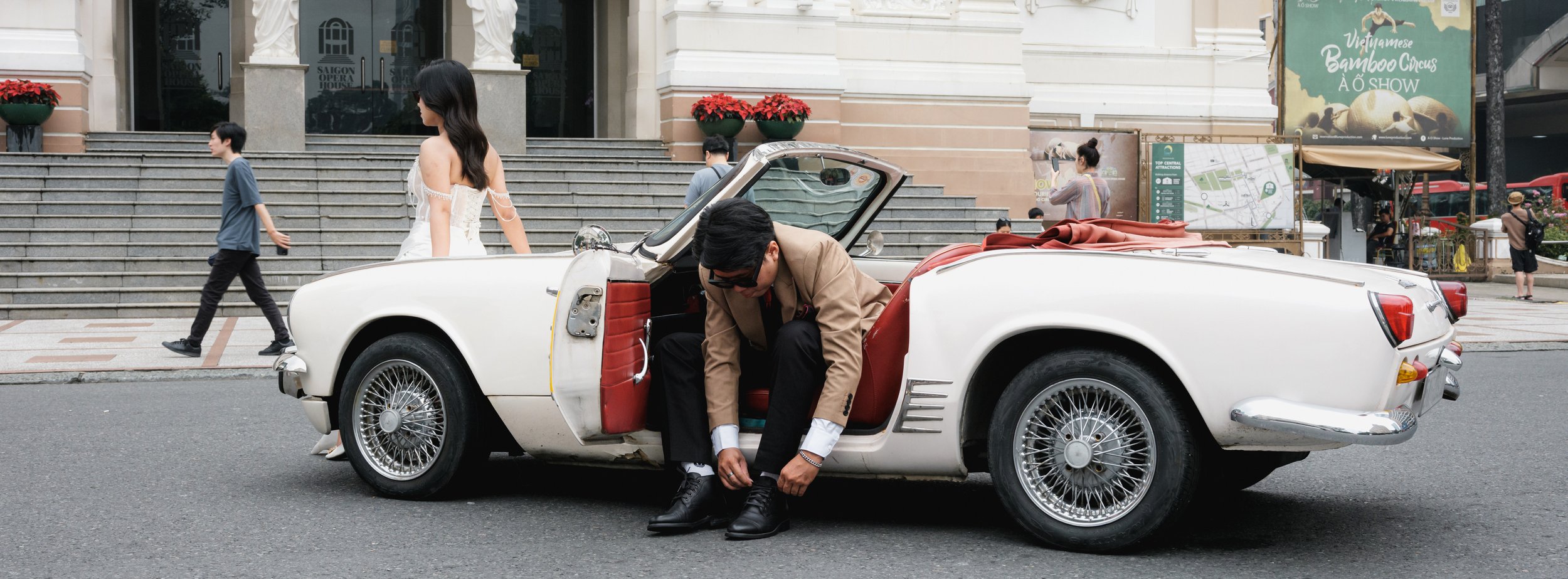
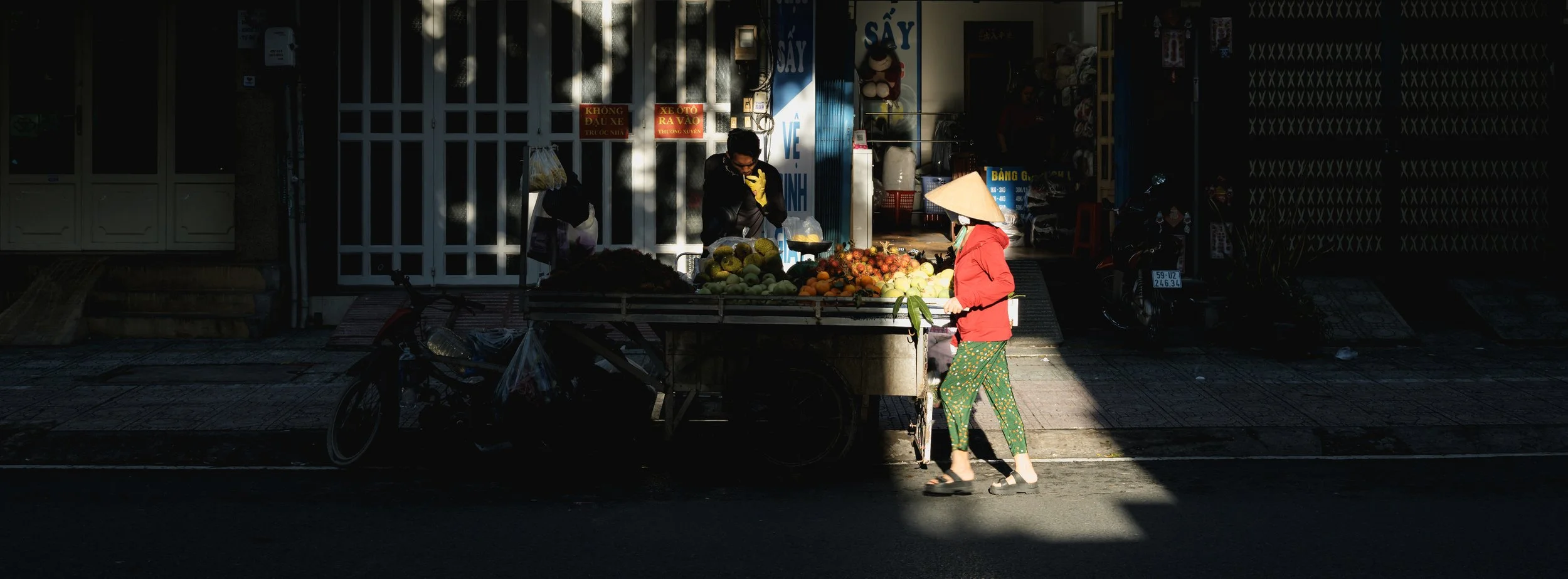
Many street photographers are drawn to layered compositions, but complex layering can quickly become chaotic. The wider frame allows you to include more context without making the image feel cluttered. A single person can be shown within their environment, while multiple subjects can interact across the frame in ways that would be difficult to achieve in a standard format. This creates a sense of complexity without overwhelming the viewer.
Learning to look wider
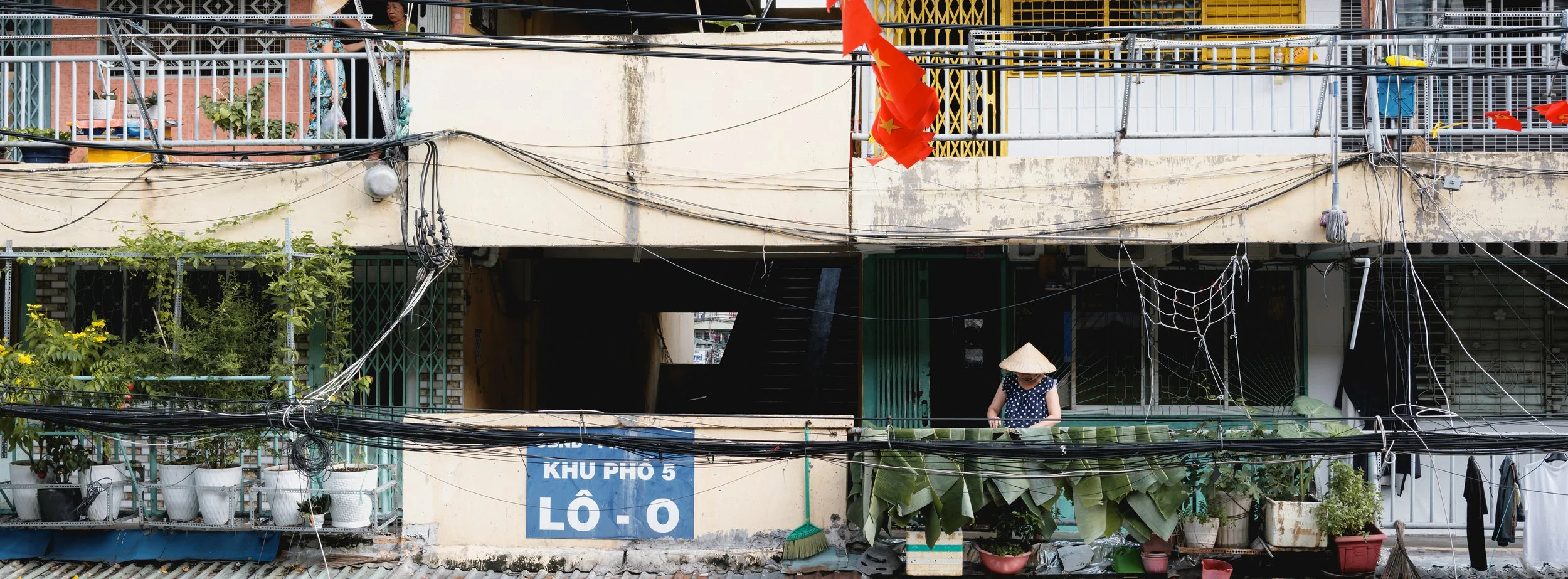
Perhaps the biggest lesson the format teaches is to look beyond your main subject. Every edge matters. Small details that might be ignored in a conventional frame suddenly become important parts of the composition. For me, the XPan format isn't simply a different crop ratio, it’s a different way of seeing. It encourages you to think more carefully about space, context and relationships, making it a particularly rewarding format for street photography.
Below is a selection of 15 photographs captured in the XPan format